About This Project
Child marriage remains a major barrier to girls’ education, health, and future opportunities in many communities in Uganda. Despite existing laws and policies, harmful social norms, poverty, and silence continue to push girls into early marriage. In Iganga District, young people and community leaders came together to confront this challenge through creativity and dialogue.
Painting Futures: Canvas Against Child Marriage was implemented by the +256 Youth Platform in partnership with the Rotaract Club of Iganga, using visual art and performance to spark community conversations and challenge the drivers of child marriage.
Why this initiative mattered
In Uganda, a significant proportion of girls are married before the age of 18, often as a result of poverty, dowry pressure, limited access to education, and deeply rooted cultural beliefs. Early marriage frequently leads to school dropout, early pregnancy with associated health risks, and long-term economic disadvantage.
Traditional approaches to addressing child marriage, such as workshops and lectures, often fail to engage communities at a deeper level. Painting Futures offered an alternative, using art to reach emotions, encourage reflection, and open space for honest, intergenerational dialogue.
Using art to challenge harmful norms
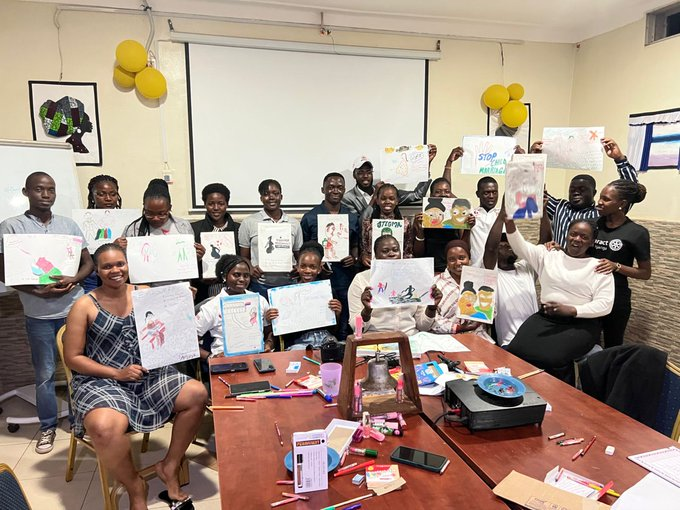
The initiative brought together youth, survivors of child marriage, elders, and professional artists in a collaborative painting fellowship. Participants created canvases that told local stories, highlighting the harms of child marriage and presenting positive visions of girls’ futures, education, health, leadership, and opportunity.
Alongside the visual artworks, youth developed a short theatre skit and a spoken word performance illustrating the consequences of early marriage and emphasizing the shared responsibility of families, leaders, and institutions to protect girls’ rights.
What we implemented
During the 16 Days of Activism against Gender-Based Violence, the project was implemented in three main phases:
- Planning and mobilisation, including recruitment of participants, engagement of a local artist, and orientation on child marriage drivers and messaging
- Interactive painting workshops combined with facilitated discussions and rehearsals for the theatre and spoken word performances
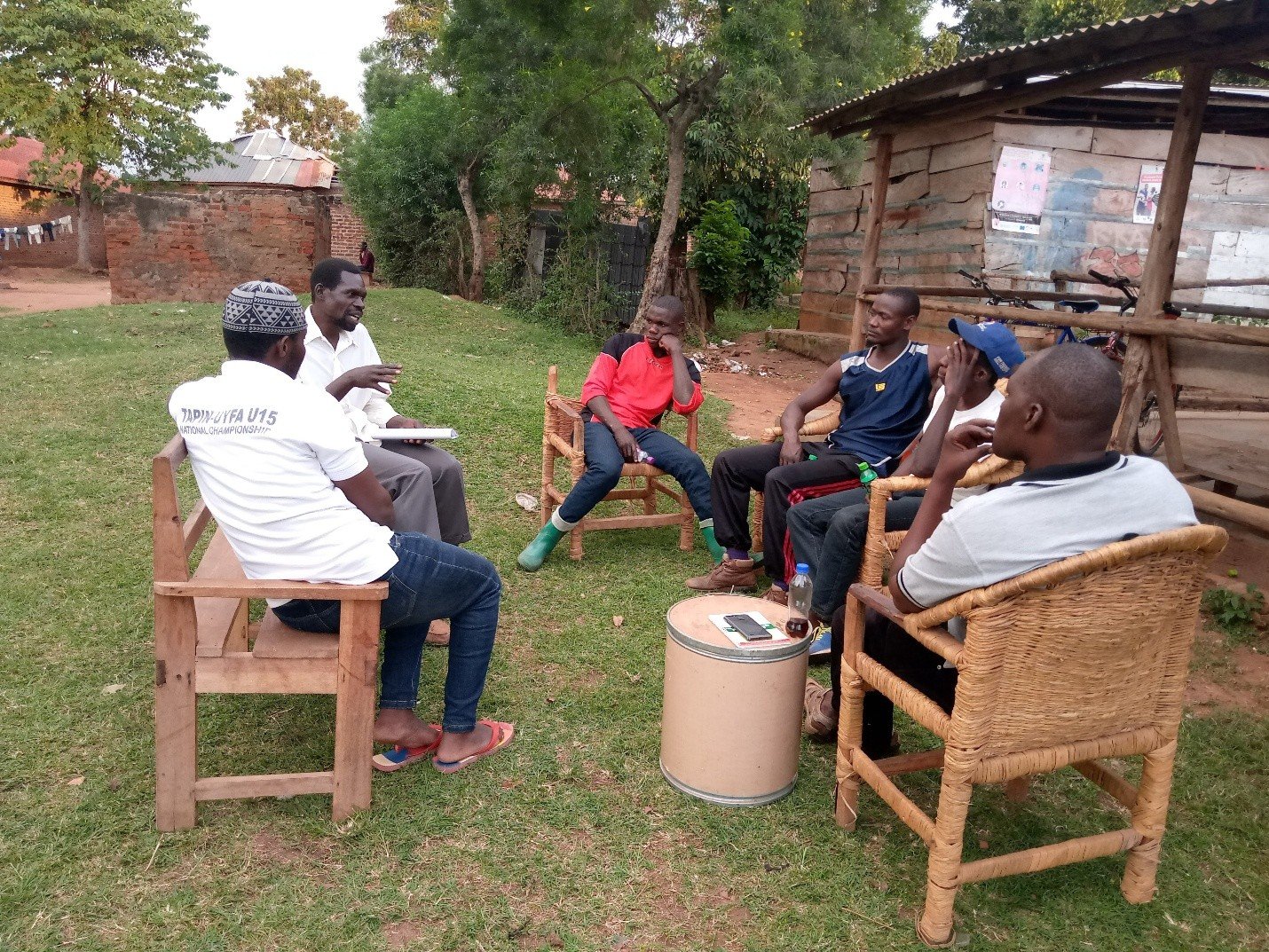
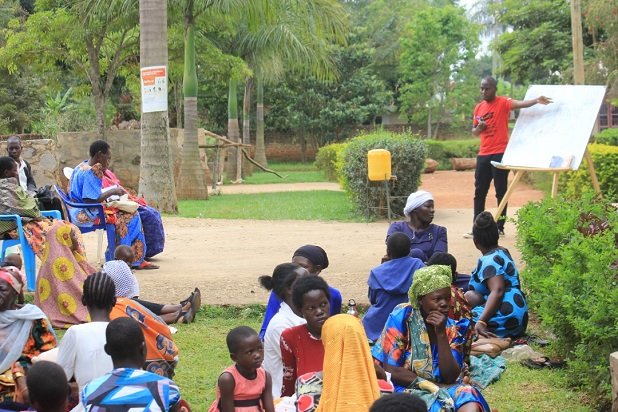
- A public exhibition and dialogue session, where artworks were displayed, performances staged, and structured conversations held between youth and elders
Community leaders were invited to make public pledges to support girls’ education and oppose dowry-driven child marriage. The artworks were also shared online to amplify the message beyond the physical exhibition.
Project Gallery
Impact & Results
Snapshot of how this project is changing lives on the ground.