About This Project
The COVID-19 pandemic exposed deep vulnerabilities within communities across Uganda, particularly in districts where poverty, food insecurity, and limited livelihood options were already prevalent. In Iganga District, where nearly 20% of the population lives below the poverty line, restrictions on movement, closure of businesses, and reduced agricultural productivity intensified challenges related to hunger, malnutrition, unemployment, and household stress.
In response, +256 Youth Platform, with funding support from GIZ, implemented the Keikereza Mukagwa Project, a community-driven initiative focused on sustainable livelihoods, food security, and public health resilience during and after the COVID-19 pandemic.
Keikereza Mukagwa, a Lusoga phrase meaning “Save a Friend,” reflects the project’s core philosophy of collective responsibility, community solidarity, and practical action.
Why the Keikereza Mukagwa Project Was Needed
COVID-19 prevention measures such as lockdowns, transport restrictions, and business closures disrupted income sources for many households in Iganga. Youth were particularly affected, with rising vulnerability to crime, substance abuse, and poor mental health, while families struggled with high food prices, reduced access to nutritious meals, and limited coping mechanisms.
At the same time, the pandemic highlighted an opportunity. With many people confined to their homes, there was unused space, time, and labor that could be redirected toward micro-agriculture and sustainable living practices. However, many households lacked the skills, knowledge, and confidence to adopt these approaches independently.
Our Approach: Community Empowerment for Sustainable Living
The Keikereza Mukagwa Project was designed to empower communities with practical skills and knowledge to manage limited resources, improve food security, and strengthen household resilience. Working closely with Iganga District COVID-19 Task Force and local partners, the project adopted a hands-on, youth-led implementation model.
Key interventions included:
- Community sensitization on COVID-19 prevention, safe living, and resource management through radio, television, and social media
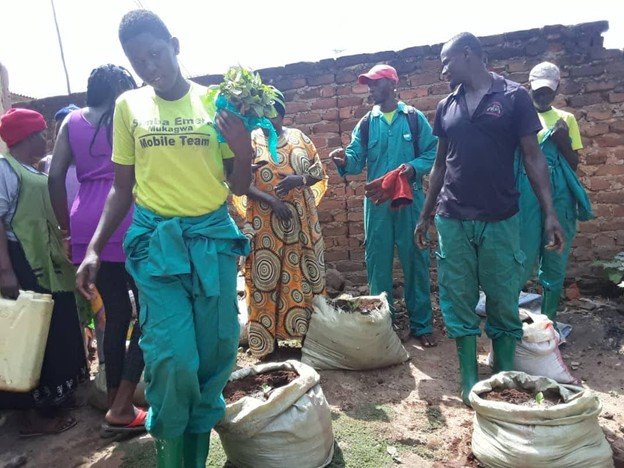
- Youth mobile teams trained to conduct door-to-door sensitization and practical demonstrations
- Backyard and micro-farming training, including nursery bed preparation and modern small-scale agricultural techniques
- Production and sharing of online food-crop planting videos to reach wider audiences
- Construction of Tippy Taps (locally made hand-washing stations) in homes, public spaces, NGOs, and government offices
This approach ensured that communities remained healthy, productive, and food-secure, even under movement restrictions.
Who the Project Served
The project targeted:
- Households across Iganga District and the wider Busoga sub-region
- Youth, as change agents and implementers
- Families facing food insecurity, reduced incomes, and limited access to health information
By engaging entire households, the project addressed food security, hygiene, and livelihoods as interconnected challenges.
Project Gallery
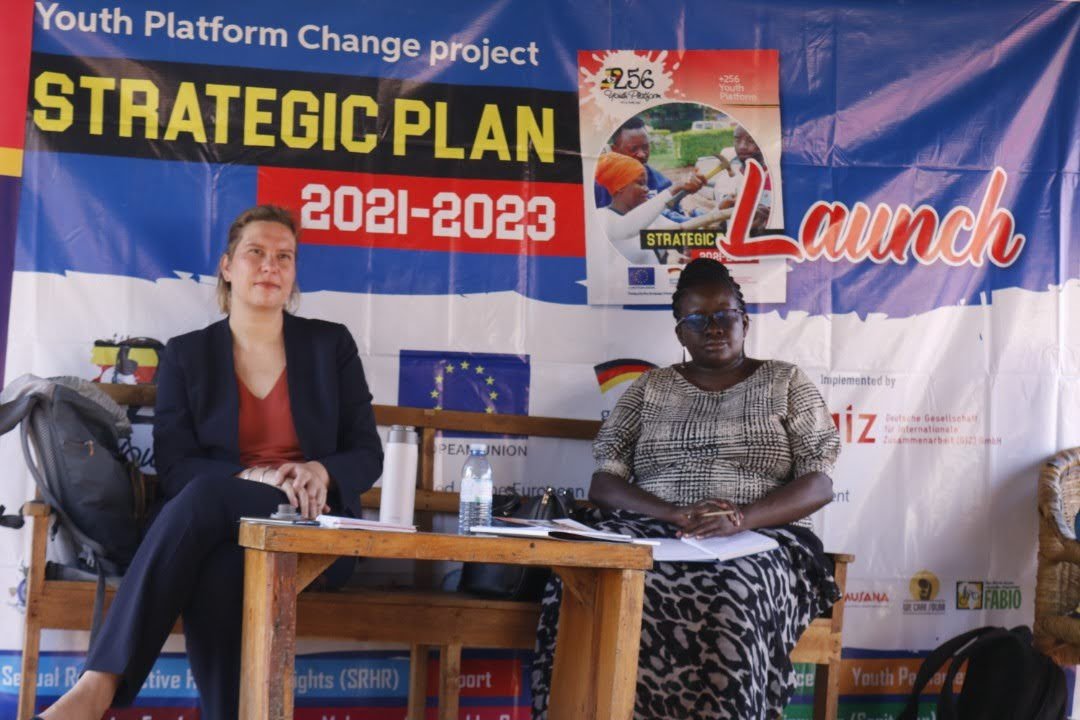
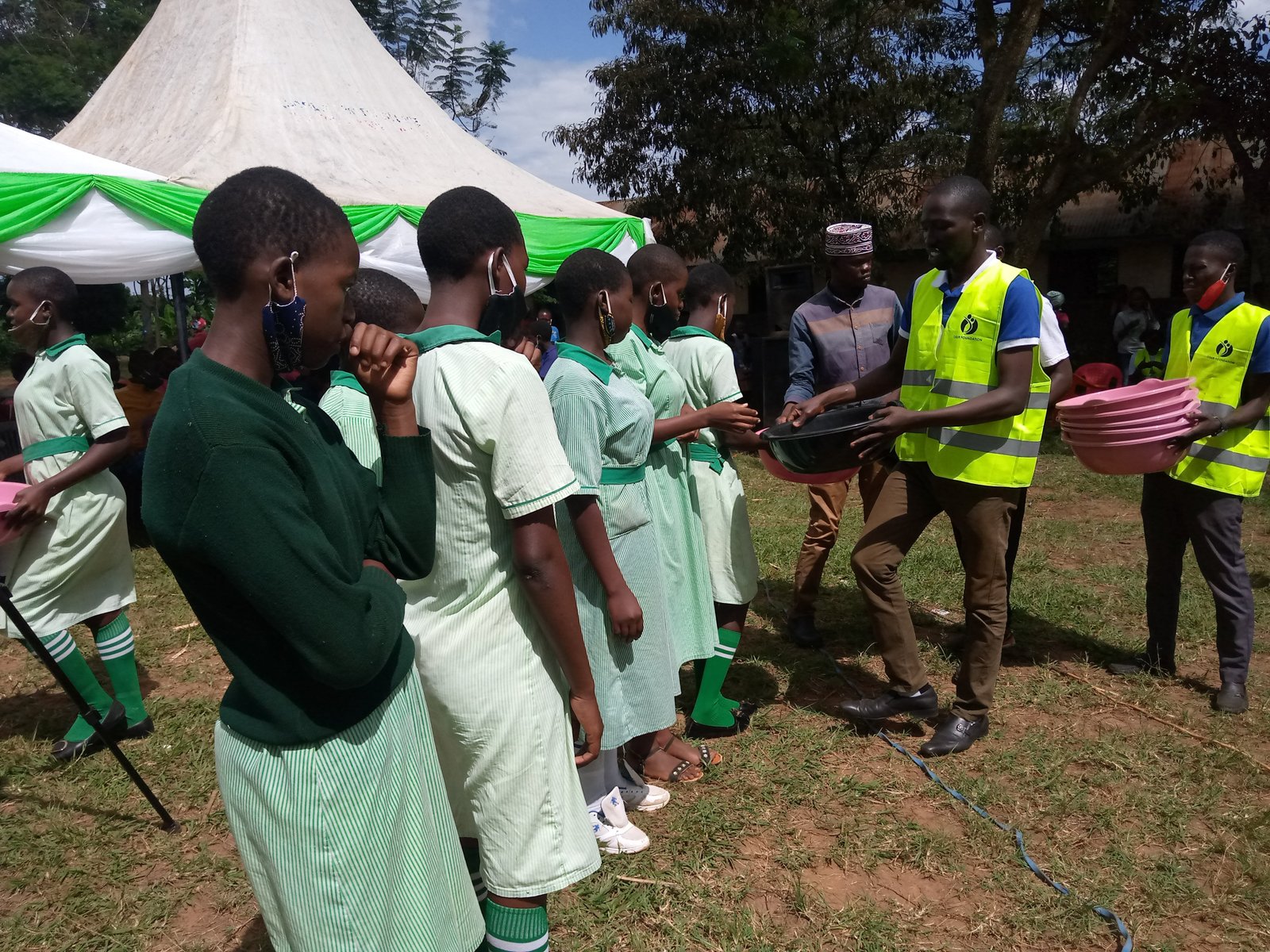
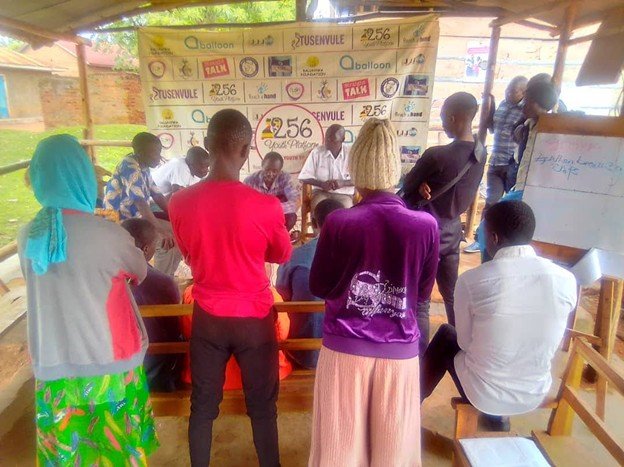
Impact & Results
Snapshot of how this project is changing lives on the ground.