About This Project
In communities across Uganda’s Busoga region, progress in the fight against HIV has been steady but uneven. While national indicators show improvements in testing, treatment, and viral suppression, localized hotspots continue to experience higher rates of new infections and gaps in linkage to care. One such area is Bugono Health Center IV catchment area in Nabitende Sub-County, Iganga District.
To respond to this challenge, +256 Youth Platform, in collaboration with Uganda Development and Health Associates (UDHA), TASO, and with support aligned to Global Fund HIV programming, is implementing the BUGO-Care Project – Building Understanding and Growth for HIV Prevention and Treatment.
Why BUGO-Care Was Needed
In 2023, Bugono recorded a new HIV infection rate of 2.45%, significantly higher than the 1.48% observed in the wider Kigulu North area. Although new infections declined in 2024, the area continued to experience declining linkage-to-care rates, falling from 97.37% to 95.38%.
Key barriers included:
- Persistent stigma and misinformation around HIV
- Gender and household decision-making dynamics limiting timely care, particularly for women and adolescents
- Long distances and transport costs to health facilities
- Economic pressures forcing families to prioritize basic needs over healthcare
These challenges disproportionately affect adolescents and young people aged 15–24, women of reproductive age, and underserved households across Bugono and neighboring parishes.
Our Approach: Community–Facility Partnerships That Deliver Results
BUGO-Care was designed to complement and strengthen existing HIV services, not duplicate them. The project works closely with Bugono Health Center IV, Village Health Teams (VHTs), and peer educators, with technical and implementation support from UDHA and TASO, organizations with long-standing experience in HIV programming in Uganda.
Core strategies include:
- Weekly community radio talk shows to address HIV prevention, treatment, and stigma
- Monthly community dialogues engaging religious, cultural, and political leaders
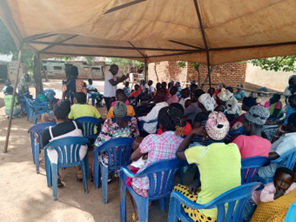
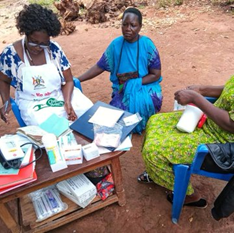
- Community outreaches and mobile testing, bringing services closer to hard-to-reach populations
- Active follow-up of ART clients who miss appointments, through phone calls and home visits
- Contact tracing and TB screening among families of HIV-positive clients
- Mentorship and supervision of VHTs and peer educators, supported by facility staff
- Routine use of DHIS2 data to track testing, referrals, linkage, and retention
This integrated approach ensures that individuals who test positive are identified early, linked promptly to care, and supported to remain on treatment.
Who the Project Serves
BUGO-Care focuses on:
- Adolescents and young people (15–24 years)
- People living with HIV and their sexual partners
- Families of index clients
- Underserved households across Bugono, Kasambika, Nabitende, Ituba, and Naluko parishes
By engaging families and community structures, the project addresses HIV as both a health and social issue.
Partnerships That Made It Possible
BUGO-Care is built on strong, trusted partnerships, including:
- +256 Youth Platform, providing community mobilization, coordination, and youth leadership
- Uganda Development and Health Associates (UDHA), offering technical guidance and linkage to national HIV programming
- TASO, contributing expertise in HIV prevention, treatment literacy, and community follow-up
- Bugono Health Center IV, delivering clinical services, ART, and mentorship to community teams
- Iganga District Health Office, ensuring alignment with district and Ministry of Health priorities
- Village Health Teams (VHTs), peer educators, and expert clients, serving as the frontline bridge between households and health facilities
The project aligns with Uganda’s National Development Plan (NDP III) priorities on human capital development and improved health outcomes, while contributing to SDG 3 (Good Health and Well-being) and SDG 17 (Partnerships for the Goals).
Project Gallery
Impact & Results
Snapshot of how this project is changing lives on the ground.