About This Project
In many communities across Uganda, open conversations about sexual and reproductive health remain difficult. For young people, this silence often results in misinformation, stigma, and risky decisions. In Iganga Municipality, rapid urbanization, high mobility, and limited access to youth-friendly health services further deepen these challenges.
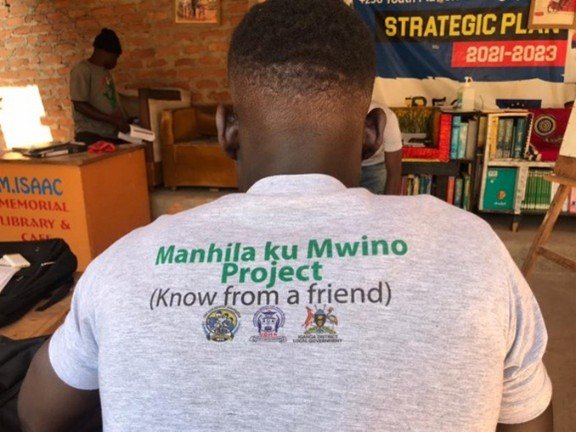
This reality inspired Manhila ku Mwino, meaning Know from a Friend, a youth-led Sexual and Reproductive Health and Rights, SRHR, and HIV awareness project implemented in 2022 by +256 Youth Platform.
Why the project mattered
Young people aged 10–24 make up a large proportion of Uganda’s population, yet many lack access to accurate SRHR information and services. Cultural resistance to sexual education often leaves adolescents learning from peers who may themselves be misinformed. This contributes to teenage pregnancy, HIV transmission, low uptake of family planning, and persistent stigma around SRHR issues.
Manhila ku Mwino sought to address these gaps by transforming peer influence into a tool for positive change.
A peer-to-peer approach
At the core of the project was the belief that young people are more likely to trust and learn from their peers. Ten youth informants, selected from schools and communities based on their integrity and acceptance, were trained in SRHR, HIV, STIs, family planning, gender-based violence, substance abuse, and effective communication.
These informants became trusted sources of accurate, age-appropriate information, reaching fellow youth in spaces where formal health education rarely reaches.
What we did on the ground
The project applied a mix of school-based, community-based, and media approaches to reach adolescents and youth across Iganga Municipality:
- School outreaches in secondary and vocational schools, creating safe spaces for open dialogue
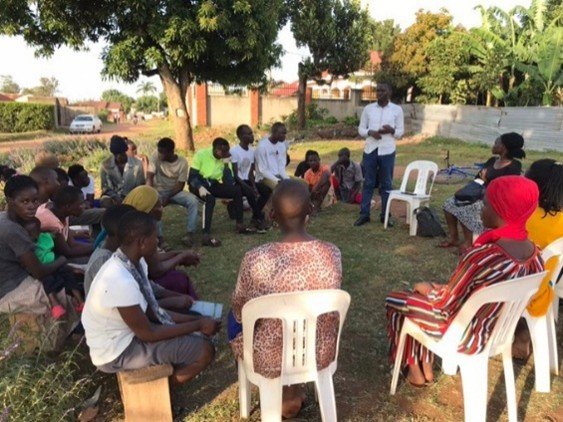
- Community outreaches targeting boda-boda riders, market vendors, football, boxing, and kickboxing clubs
- Daily one-on-one peer-to-peer conversations to address sensitive SRHR issues with privacy and trust
- Monthly HIV and STI testing and family planning services delivered during outreaches
- Radio talk shows to expand reach and normalize conversations around SRHR and HIV
Through these combined approaches, young people were not only informed but also linked to essential SRHR services.
Partnerships and funding
Manhila ku Mwino was implemented through strong collaboration with local and national partners. Key partners included Iganga District Local Government, Reproductive Health Uganda, Busoga Health Forum, community schools, and youth groups within Iganga Municipality.
The project was funded by TASO through the Global Fund, whose support made it possible to train youth informants, conduct outreaches, provide SRHR services, and engage communities through mass media.
Project Gallery
Impact & Results
Snapshot of how this project is changing lives on the ground.