About This Project
Iganga District located in Eastern Uganda with total population of 426,958 people, with 196,636 males and 230,322 females, residing in 101,789 households (UBOS statistics report 2024). faces a critical challenge with the high prevalence of teenage pregnancies, limited educational opportunities, and a lack of sustainable employment opportunities for its youth population. The district is part of the larger East Central region, where 25% of the population is classified as poor, and an additional 50.5% live in insecure non-poverty conditions. These economic disparities contribute to limited access to quality education, especially for young women. In 2016, a mere 1% of women and 2% of men between the ages of 15-49 had completed secondary education, perpetuating a cycle of poverty and limited opportunities for youth.
Adding to these challenges is the alarming rate of teenage pregnancies in Iganga District. According to a study by UNFPA in 2021, 354,736 teenage pregnancies were recorded in 2020, with an average of over 32,000 cases per month. The Busoga region, to which Iganga belongs, ranked second in the country for teenage pregnancies, with 12,740 teenage mothers recorded. Disturbingly, the district registered over 6,300 teenage pregnancy cases during a two-year lockdown period.
This situation not only jeopardizes the health and well-being of youth and young mothers but also restricts their access to education, gender equality and decent work opportunities. Young mothers often face social stigma and discrimination, making their reintegration into society and the workforce challenging. This cycle of limited education, teenage pregnancies, and economic insecurity perpetuates a lack of opportunities for the youth of Iganga, hindering their potential to contribute to the district’s growth and development.
In light of these challenges, there is an urgent need for intervention that aligns with Sustainable Development Goal 8&5: “Promote sustained, inclusive, and sustainable economic growth, full and productive employment, and decent work for all and gender equality.” The EmpowerUP Iganga project seeks to address this multifaceted problem by establishing a Teenage Mothers’ Skills Centre, providing vocational and entrepreneurial training, mentorship, and support to empower teenage mothers and vulnerable youth in the district. By equipping them with marketable skills and fostering economic independence, this project aims to break the cycle of poverty, reduce teenage pregnancies, and promote sustainable economic growth among youth in Iganga.
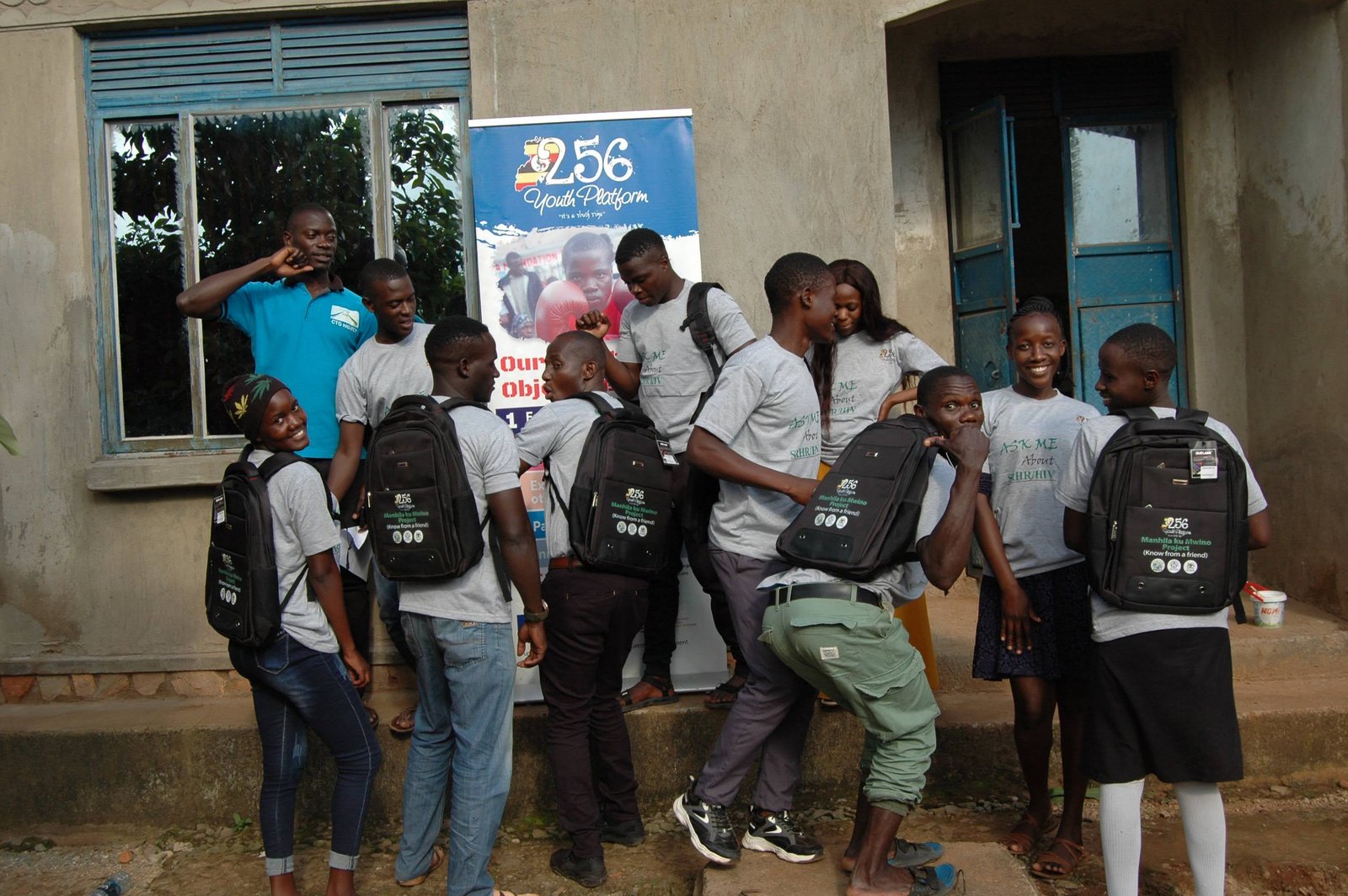
+256 youth platform Anticipated Key goals and Impact.
To make a positive and lasting difference in the lives of teenage mothers and vulnerable youth in Iganga District.
To empower these young individuals with skills, knowledge, and support to break the cycle of poverty and create a better future for themselves and their communities.
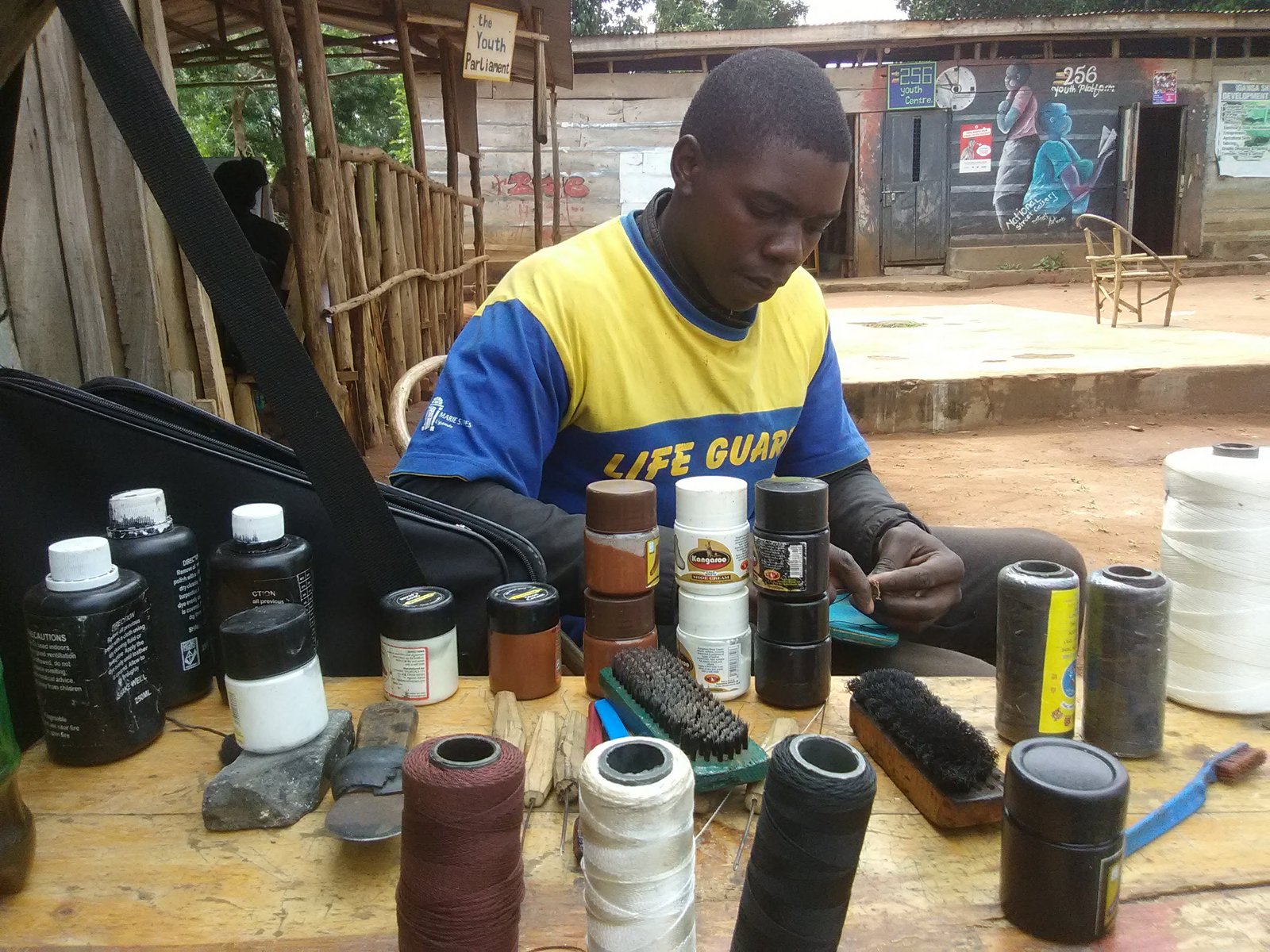
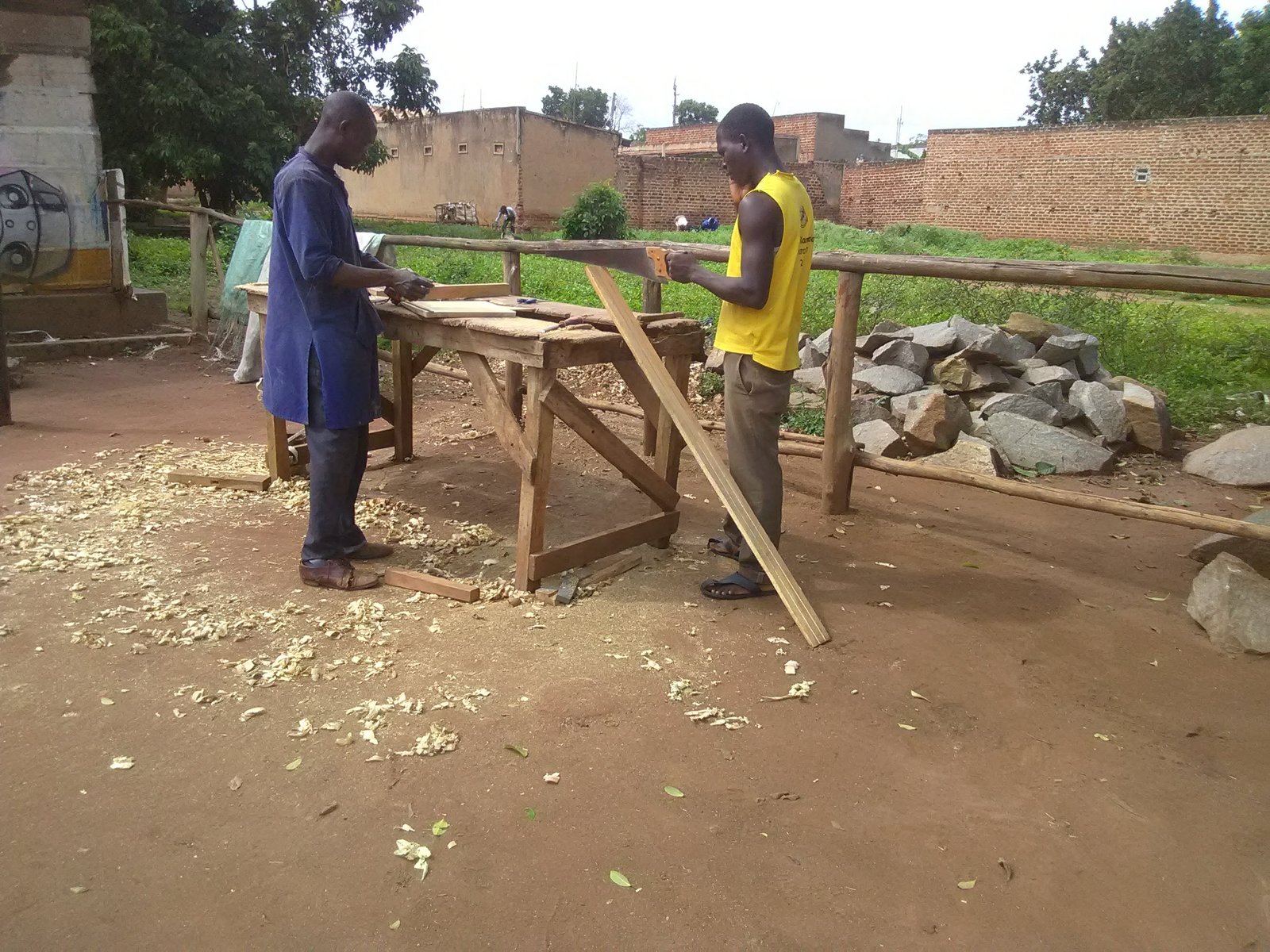
In the medium term, we aim to establish the Teenage Mothers’ Garage, a safe space where teenage mothers and youth can access vocational training, mentorship, and guidance. This training will equip them with practical skills in various trades and entrepreneurship, enabling them to become self-sufficient and financially independent.
In the long term, we envision a significant reduction in teenage pregnancies and an increase in educational and employment opportunities for young people. We anticipate that the project will contribute to sustainable economic growth and development in Iganga District. The empowerment of teenage mothers and youth will lead to improved health, increased self-esteem, reduced societal stigma, and ultimately, a good future for the youth of Iganga.
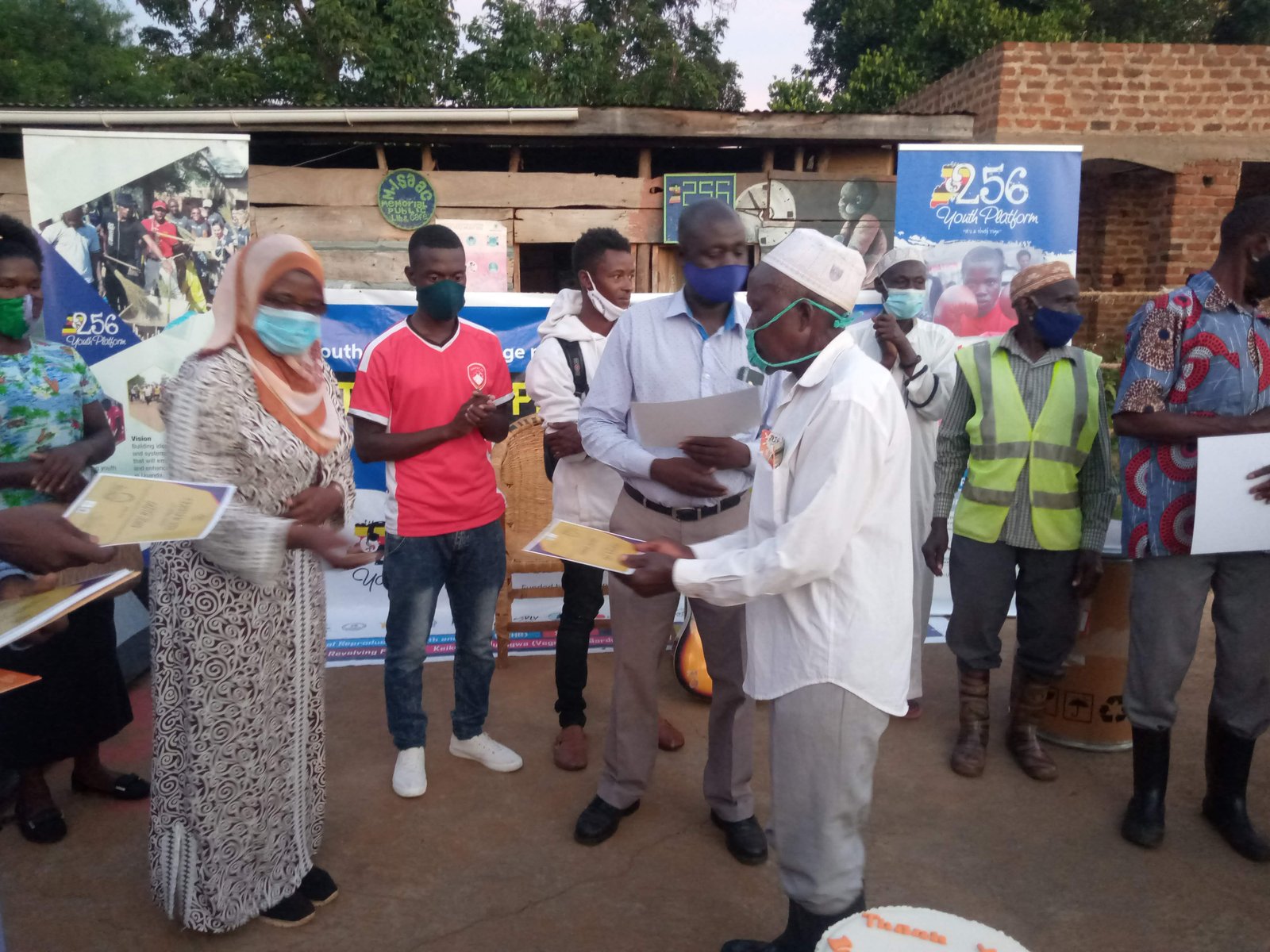
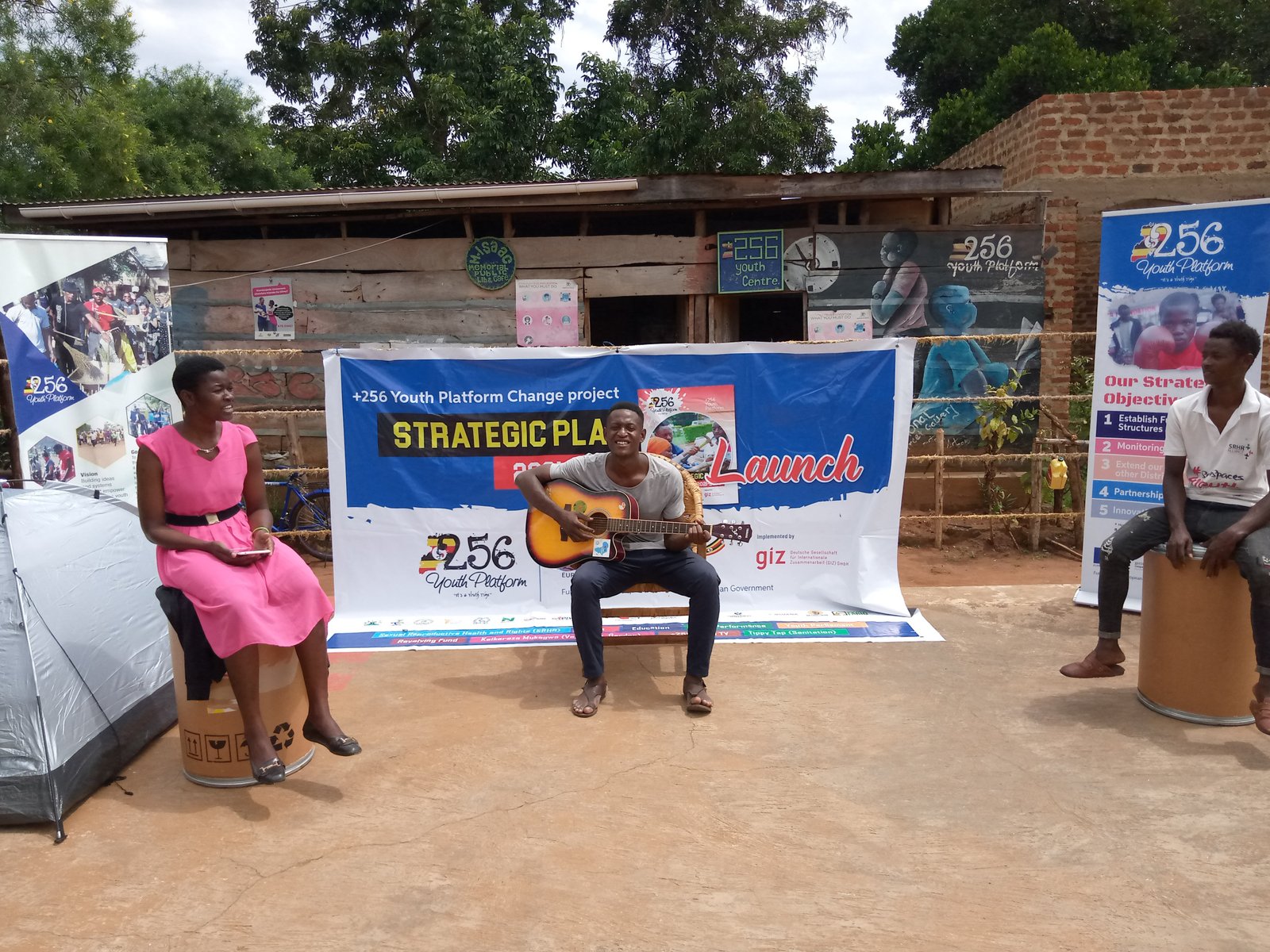
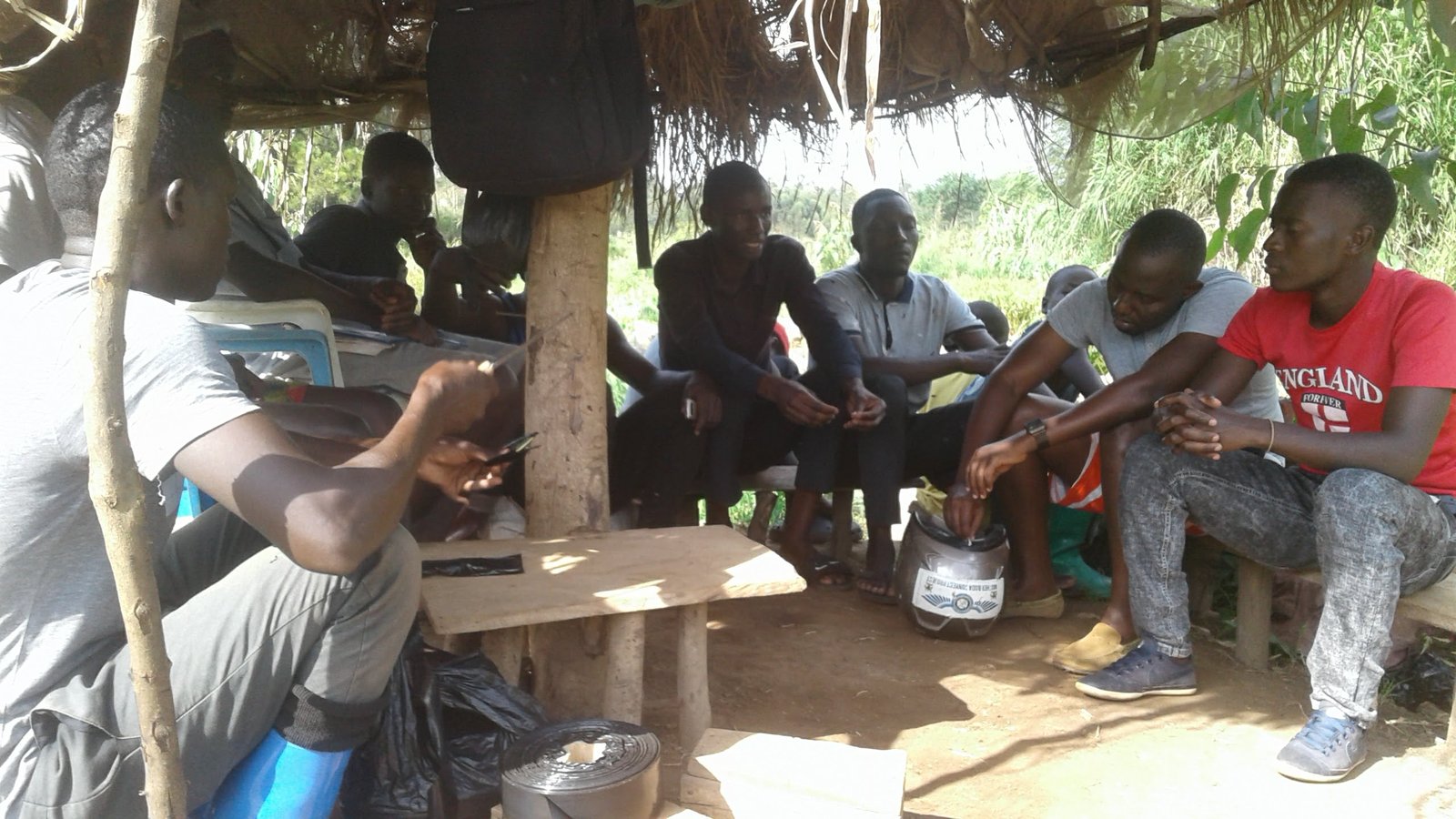
Project Gallery
Impact & Results
Snapshot of how this project is changing lives on the ground.